
 What would your anxiety-free life look like? You’d probably feel better, have improved relationships with family and friends, and enjoy a more positive outlook on life in general. Most people who struggle with anxiety need to find ways to lower their cortisol levels. Often called the “fight or flight” chemical, cortisol is produced by the adrenal glands and acts as an overall stimulant. It causes your heart to beat faster, your blood vessels to constrict, and your muscles to tense in response to a perceived threat, whether real or imagined. Cortisol is an important part of overall, robust health, because it gives you the energy and focus to conquer challenges. It’s a good thing—provided it’s temporary. But too much cortisol in your bloodstream on an ongoing basis causes and/or exacerbates anxiety, and can also wreak havoc on your health in many other ways. As a result it is imperative to practice good stress management and to assuage the symptoms of an anxiety by finding ways to lower your overall cortisol levels.
Get to know the damaging effects of excess cortisol. When your cortisol levels spike, a rush of amino acids are released from the muscles and glucose is released from the liver into the blood stream so you’re supplied with the energy needed to deal with the crisis situation at hand. But prolonged elevated cortisol levels can increase anxiety, sap energy, and interfere with your body’s ability to heal. Our bodies are equipped with natural self-repair mechanisms that fight cancer, prevent infection, repair wounds, and protect us from infectious agents and foreign bodies. But those natural self-repair mechanisms get deactivated when the body is full of stress hormones like cortisol. In the long run, high levels of cortisol suppresses the immune response, which increases the risk of developing all sorts of diseases, including arthritis, cancer, and auto-immune disorders. Cortisol also plays a role in the regulation of blood sugar levels and how responsive your cells are to the insulin produced by your pancreas. Lots of cortisol for long periods of time makes your body more insulin-resistant, which can lead to diabetes. In addition, it can trigger mental health issues like mood swings, anxiety, and depression.
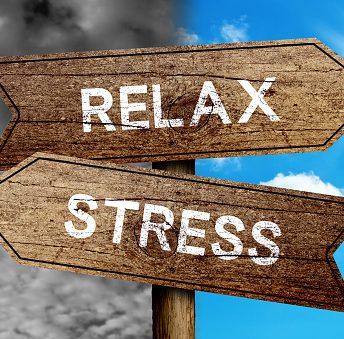
The key is to shift the body from the stress response to the relaxation response. Here’s the great news—it’s not hard to do! And when it happens, your cortisol levels drop and your body’s self-repair mechanisms get back to work. Here are some proven ways to lower your cortisol levels and ease your anxiety:
- Eat a balanced diet. Consume plenty of whole grains, proteins, fruits, veggies, and fiber to help regulate cortisol and anxiety.
- Engage in regular physical activity. Moderate physical exercise does wonders to relieve stress and lower cortisol levels. Find something you enjoy and do it at least three times per week.
- Practice meditation. Even a few minutes of meditation a day has a cumulative, positive effect on your stress levels.
- Get proper rest. Insomnia causes high cortisol for up to 24 hours afterwards. Interruptions to sleep, even if brief, can also increase your levels and disrupt daily hormone patterns. Try to get to bed at the same time every night and wake up at the same time each morning. Aim for seven to nine hours of quality sleep per night.
- Reach out to others. Isolation and loneliness increase stress, anxiety, and depression. It’s important to find ways to connect socially with other people to manage your stress.
- Laugh. Researchers have found that laughing significantly reduces stress hormone levels. In one study, laughter decreased the cortisol levels of participants by nearly 50%. So the next time you’re feeling anxious, try watching a comedy or a humorous YouTube video.
By incorporating some simple techniques into your daily routine, you can enjoy a happier, healthier life. Would you like to learn more about how to reduce your cortisol, decrease your anxiety, and improve your overall wellness? We’re here to help! Please contact us anytime.
By Andrew Walen, LCSW-C, LICSW, CEDS, Founder, Executive Director at The Body Image Therapy Center. For help call 877-674-2843 or email [email protected].